The Formation
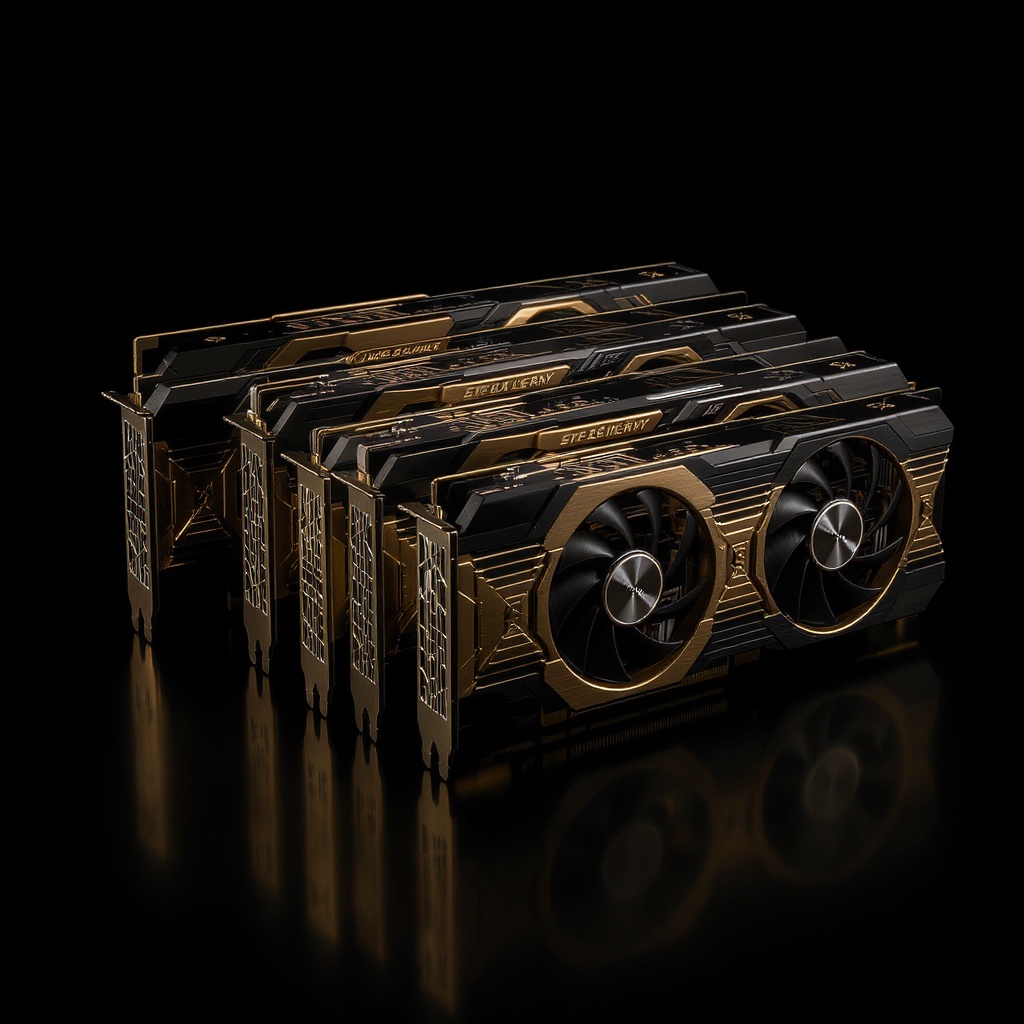
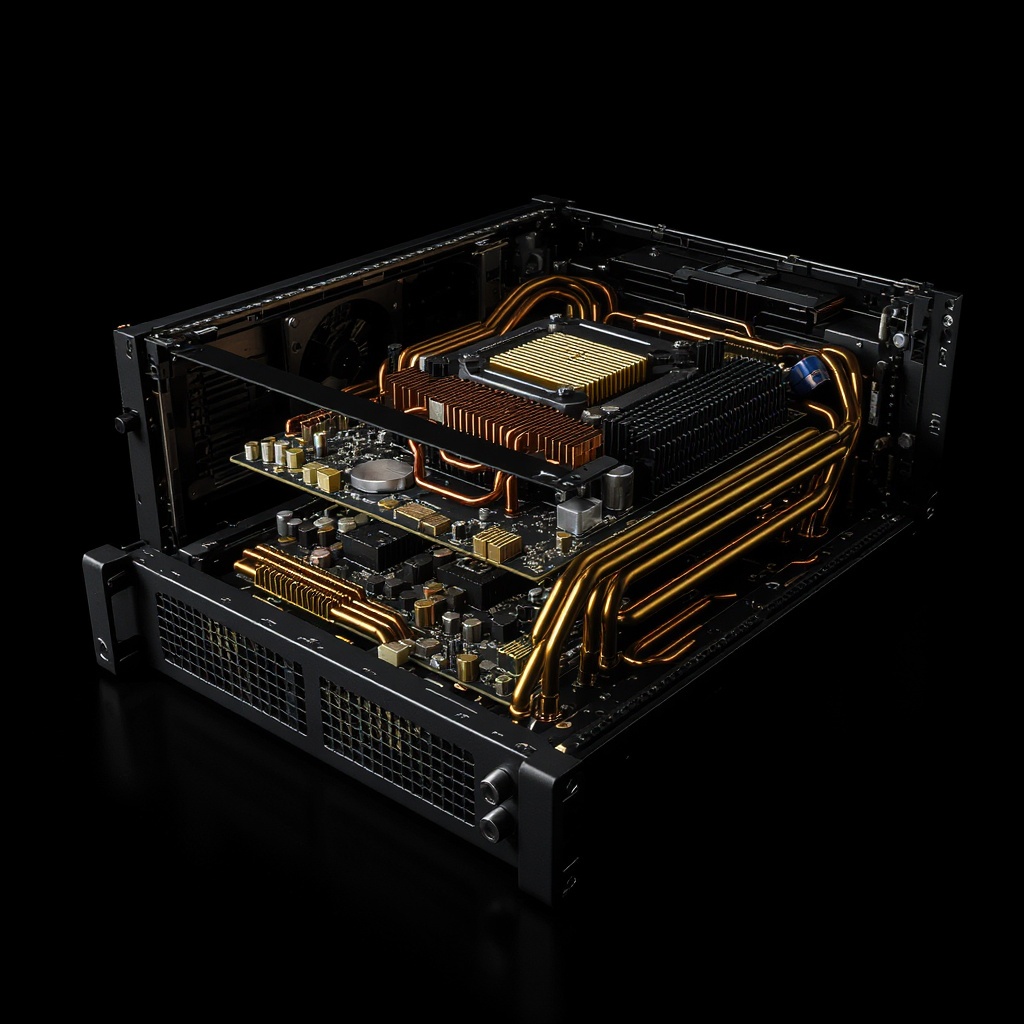
Eight GPUs. Not four. Not six. Eight. In perfect symmetry, in a chassis that was designed — actually, genuinely designed — with a sense of ceremony. When you open that rack door and look inside, you're looking at something that a team of engineers spent years perfecting, not just wiring together until it worked.
The gold heatsinks catch the datacenter light like trophies in a case. Every one of them. Eight identical, precisely machined surfaces arranged in a formation that would make a fashion photographer jealous. This is not incidental beauty. This is intentional.
And the copper piping — don't get us started on the copper. It runs through the chassis in visible arterial lines, carrying heat away from the GPUs with a functional elegance that makes you want to reach in and touch it. You can't, obviously. But the instinct is there. That's what great industrial design does.
The Datacenter Environment
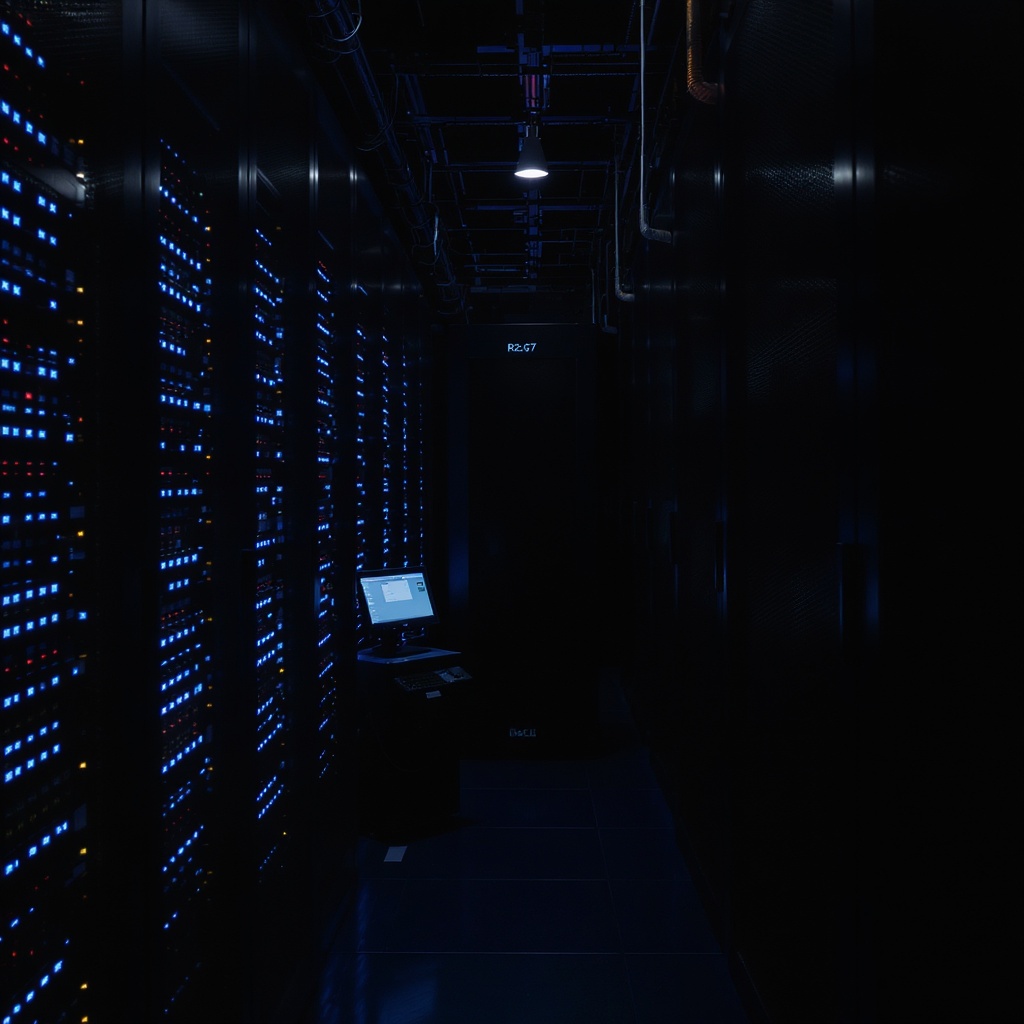
The machine doesn't exist in a void. It lives in a rack. The rack lives in a row. The row lives in a building designed to keep everything running while the temperature outside swings 40 degrees.
Standing in front of R2-C7 in a live datacenter, watching the blue LEDs pulse in sequence down the rack — that's not infrastructure. That's theater. The kind of theater that only the people who built it ever get to see. RackShow exists to change that.
Why It Matters
Hardware like this is how civilization runs. Not the abstract, headline-version of "AI is changing everything" — the actual, physical, humming-along-in-a-building-somewhere version. Every model trained. Every inference served. Every query answered. It runs on this.
So yeah. We think it's beautiful. We think it deserves to be seen, studied, appreciated. Not just by the people who maintain it — by everyone who benefits from what it does.
Welcome to The Haute Chassis Report. This is RackShow.